
 en
en
 Tiếng Việt
A bright smile is a plus for each person’s confidence and success in communication. However, oral issues such as tooth decay, chipped teeth, gaps between teeth, etc. will affect aesthetics and chewing function. Dental filling (tooth restoration) is an effective solution to restore and protect teeth, helping you regain a confident smile.
1. What is dental filling (tooth restoration)?
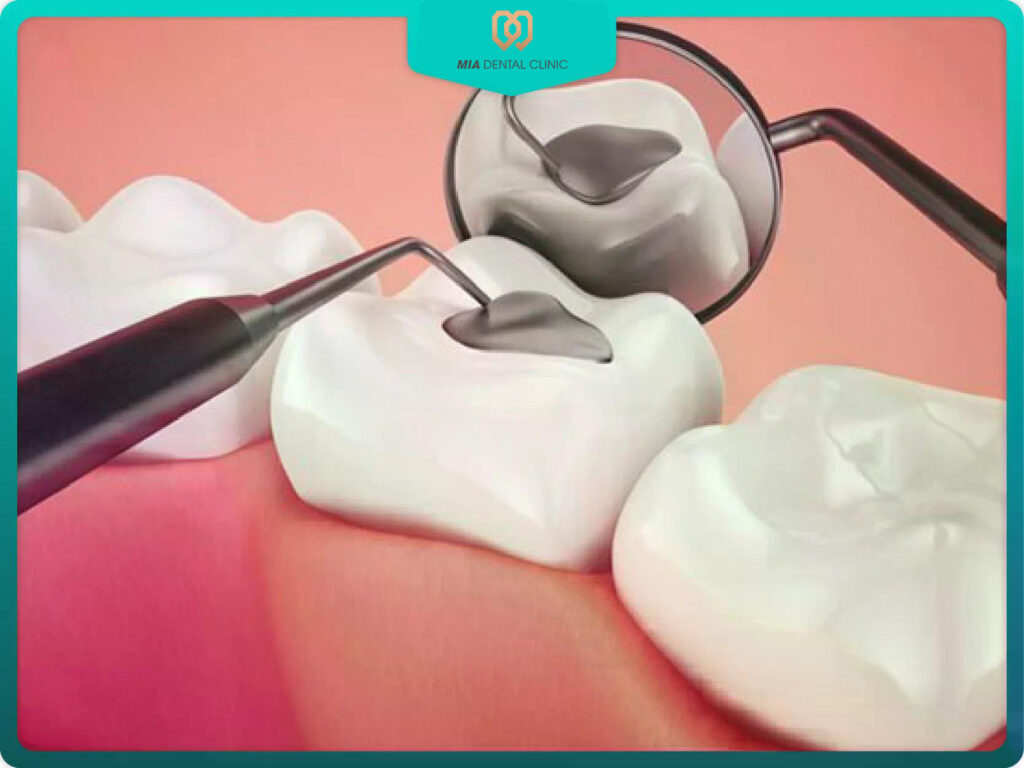
Dental filling (also known as tooth restoration) is a dental technique that uses artificial materials such as composite, Sandwich, GIC, etc. to supplement the missing tooth structure caused by tooth decay, chipping, fracture, wear, or gaps between teeth.
2. Benefits of filling decayed teeth
Dental filling is an effective dental method that brings many benefits to oral health. Below are 4 common benefits of tooth filling:
- Restores tooth shape: Dental filling helps replace the missing tooth structure caused by tooth decay, small chips, fractures, or after treatment of conditions such as pulpitis and enamel erosion. As a result, the shape and size of the tooth are restored almost to their original state, helping you chew easily and feel more confident when communicating.
- Protects the natural tooth: Filling helps shield the tooth pulp from bacterial attack, preventing tooth decay from spreading and causing pulp inflammation. The filling material also helps protect the enamel and prevents enamel erosion caused by acids from food.
- Improves chewing function: When a tooth is chipped, broken, or decayed, chewing becomes difficult. Dental filling helps restore chewing function, allowing you to eat comfortably and digest better.
- Enhances aesthetics: Chipped, broken, or decayed teeth can affect appearance. Filling helps cover these imperfections, giving you a confident and radiant smile.
3. When should you get a tooth filling?
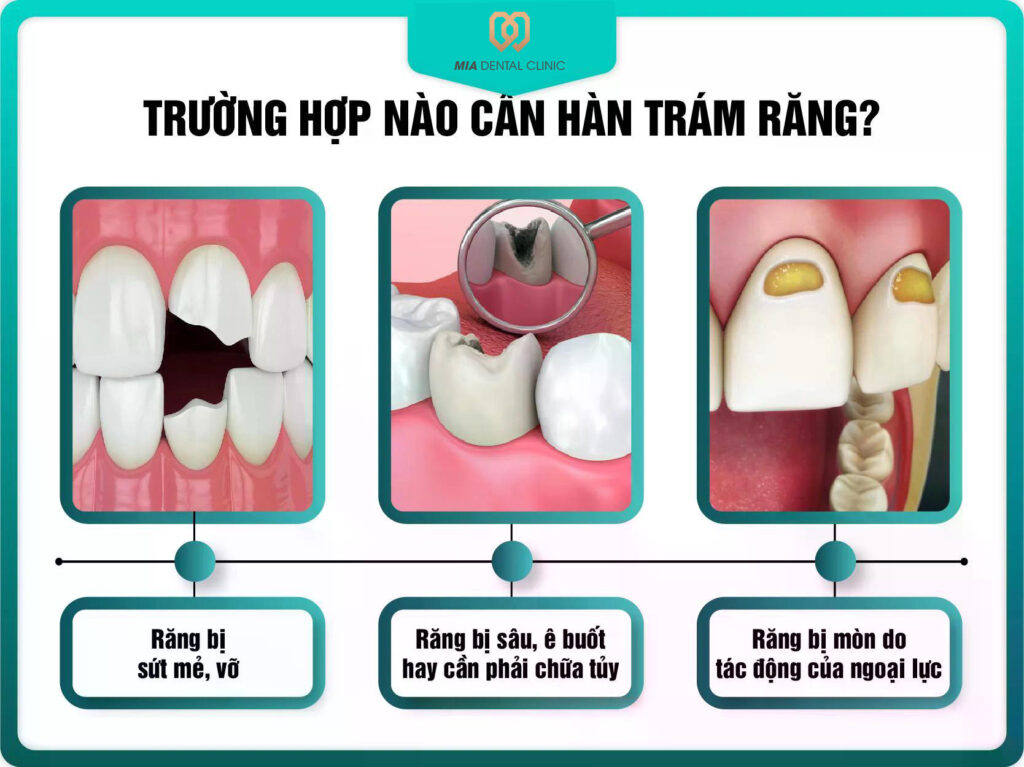
Dental filling is a common dental method that provides the perfect solution for healthy and beautiful teeth, helping you shine confidently in every moment. However, not everyone clearly understands when this method should be considered. Below are the cases when you should get a filling:
- Decayed teeth: This is the most common reason for tooth filling. When bacteria attack the enamel and create cavities, filling helps seal these holes, preventing bacteria from penetrating deeper and protecting the tooth pulp. Warning signs of tooth decay include: toothache, especially when eating sweet or hot foods; teeth turning brown or black; and the appearance of small holes on the tooth surface.
- Gapped teeth: Gapped teeth refer to spaces between teeth that are larger than normal. This can lead to issues such as food getting stuck easily, causing bad breath and tooth decay; difficulty in cleaning; and affecting aesthetics. Dental filling can help narrow the gaps, improve chewing function, and restore the patient’s confidence.
- Chipped teeth: Chipped teeth may result from accidents, impacts, or teeth grinding habits. When a tooth is chipped, part of the enamel is lost, making it sensitive to hot, cold, or sweet foods. Filling can help restore the tooth’s shape, protect the pulp inside, and improve aesthetics.
- Replacing old fillings: Filling materials may wear down or come loose over time. If the old filling is damaged, it should be replaced to protect the tooth and prevent decay.
Note:
Dental filling is not a solution for all oral problems. In some cases, you may need other treatments such as dental crowns or tooth extraction. In addition, you should have a dental check-up every 6 months to detect oral issues early and receive timely advice for fillings.
4. Comparison of common tooth filling materials
Currently, there are many types of dental filling materials, but the most common include: Amalgam (silver filling), porcelain, composite material, metal, and GIC. Each type has its own advantages and disadvantages, and choosing the right material depends on many factors such as:
- Tooth position: Each material has different durability and aesthetics, suitable for specific tooth positions. For example, front teeth require high aesthetics, while molars need strong bite resistance.
- Level of damage: Depending on the severity of decay or chipping, the dentist will choose the most suitable material and filling method.
- Cost: The cost of filling materials varies, so patients should consider their budget when choosing.
The table below compares some common filling materials currently used at MIA Dental Clinic:
| Material | Definition | Advantages – Disadvantages |
| Amalgam (Silver filling) | A material made from a metal alloy including silver, tin, copper, etc. | Advantages: Low cost, high durability, strong bite resistance, suitable for large cavities or chewing surfaces of molars. Disadvantages: Color may darken over time, affecting aesthetics, so it is mainly used for molars. |
| Porcelain | A dental material made from dental porcelain, with a color similar to natural teeth. | Advantages High aesthetics High durability Strong bite resistance and less food adhesion Disadvantages High cost Can come off if the filling technique is not good. |
| Composite | A high-grade synthetic resin with a color similar to natural teeth | Advantages High aesthetics, many shades to choose from Hardness, durability, and wear resistance, suitable for many tooth positions Reasonable cost Easy to manipulate during filling Disadvantages Requires high dentist skill and precision, otherwise the quality may not meet standards Lower bite resistance than Amalgam |
| Metal (Gold, gold alloy) | Dental materials made from precious metals such as gold. | Advantages High aesthetics High durability, strong bite resistance, and less food adhesion Disadvantages Highest cost, may cause allergies. |
| GIC (Glass Ionomer Cement) | A glass ionomer cement material. | Advantages Low cost Easy to apply, releases fluoride to help protect teeth. Disadvantages Low aesthetics Lower durability. |
Choosing the right filling material is extremely important to ensure long-term aesthetic results and chewing function. Therefore, you should consult a reputable dentist for specific advice based on your oral condition.
5. Tooth filling procedure – Quick, gentle, effective
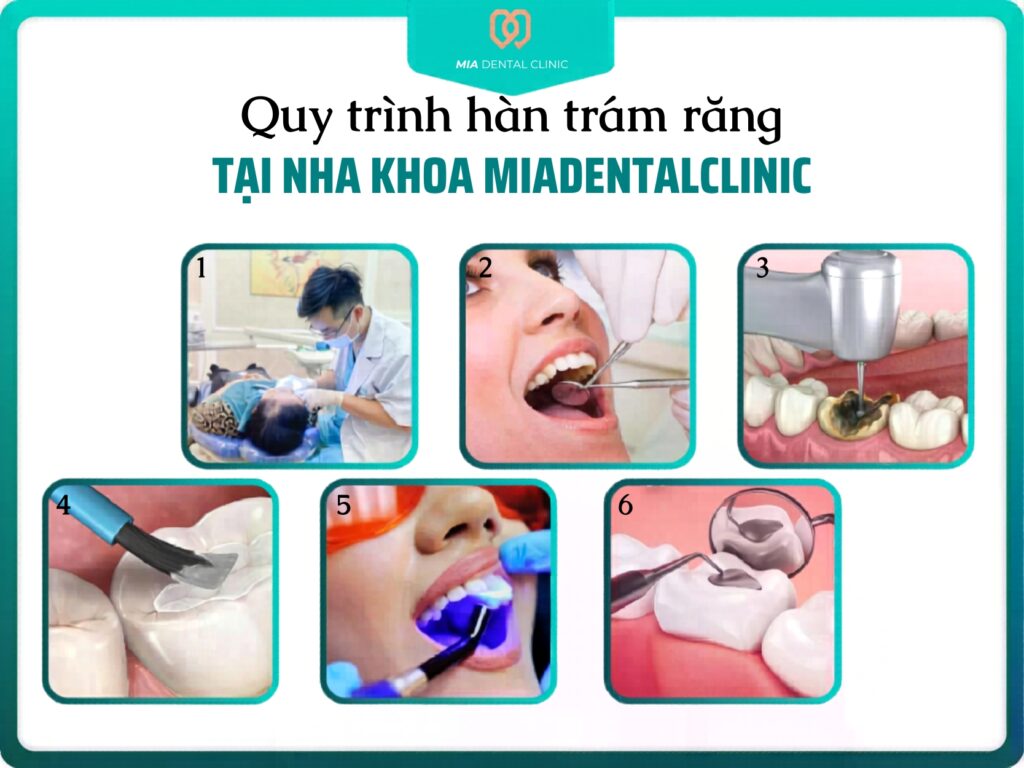
Dental filling is usually quick, taking only about 15–30 minutes per tooth. The procedure generally includes the following steps:
Step 1: Oral examination and consultation
The dentist will conduct a general oral health examination to determine the location and extent of damage to the tooth that needs filling. Based on the specific condition, the dentist will recommend the appropriate filling material, explain the procedure in detail, and provide aftercare instructions.
Step 2: Oral cleaning and anesthesia
The area to be filled will be thoroughly cleaned to remove bacteria, plaque, and food debris. Then, the dentist will use local anesthesia to ensure that you do not feel pain during the procedure. The anesthetic only numbs the treatment area.
Step 3: Filling procedure
The dentist will use specialized dental tools to remove damaged tooth tissue and create the filling cavity. Then, a filling material matching your natural tooth color will be selected. The material will be placed into the cavity, shaped, and cured with a light.
Step 4: Adjustment and polishing
After the filling is completed, the dentist will check and adjust the shape of the filling to fit your bite and ensure optimal chewing function. The surface of the filling will then be polished to create a smooth, glossy finish that blends naturally with the tooth color.
6. Latest tooth filling price list 2026
The cost of tooth filling depends on many factors such as:
- Tooth position: Front teeth are usually more expensive than molars due to higher aesthetic requirements.
- Extent of damage: Severe decay or large chips will cost more than minor cavities.
- Type of filling material: Each material has a different price range, from affordable to premium.
- Number of teeth to be filled: The total cost increases according to the number of teeth requiring treatment.
To help you estimate the cost of tooth filling, MIA Dental Clinic provides the current price list applied at our clinic for your reference:
| Service | Quantity | Listed price (VND) |
| Aesthetic Filling | 1 tooth | 500,000 |
| Composite filling – Class I | 1 tooth | 300,000 |
| Composite filling – Class II | 1 tooth | 400,000 |
| Composite filling – Class III | 1 tooth | 500,000 |
| Composite filling – Class IV | 1 tooth | 1,000,000 |
| Composite filling – Class V | 1 tooth | 500,000 |
| GIC filling | 1 tooth | 300,000 |
| Two-layer Sandwich filling (GIC + composite) | 1 tooth | 600,000 |
| Pulp capping with MTA | 1 tooth | 1,500,000 |
| Pulp capping with Calcium | 1 tooth | 500,000 |
| Baby tooth filling | 1 tooth | 200,000 |
| Dentin sensitivity treatment | 2 arches | 500,000 |
| Fluoride varnish for cavity prevention | 2 arches | 500,000 |
| SDF application for cavity prevention | 1 tooth | 200,000 |
Note: The above price list is for reference only and may change over time. For specific consultation on tooth filling costs, please contact MIA Dental Clinic directly for support.
7. 5 important notes after tooth filling
Dental filling is an effective method to restore chewing function and aesthetics for decayed, chipped, or gapped teeth. However, to ensure long-lasting results, you should note the following after treatment:
Regarding diet
You should eat soft, easy-to-chew foods such as porridge, soup, broth, etc. on the first day after filling. Avoid hard or chewy foods such as candy, ice, and nuts, as they may cause the filling to loosen. In addition, you should avoid dark-colored foods and drinks such as coffee, tea, and soft drinks, as they may stain the filling.
Oral hygiene care
You should brush your teeth twice a day, for at least 2 minutes each time, using a soft-bristled toothbrush and fluoride toothpaste. In addition, rinse your mouth with saline solution or a specialized mouthwash after each meal.
Observe for abnormalities after filling
If you experience prolonged pain or sensitivity, the filling becomes loose, or there are signs such as swelling, bleeding, or infection around the filled area, please contact your dentist for prompt treatment.
Follow the dentist’s instructions
After the filling, the dentist will provide specific instructions on how to care for your teeth at home. Please follow these instructions carefully to ensure long-term effectiveness of the filling.