 en
en
 Tiếng Việt
wisdom teeth are non-functional teeth that erupt late and often cause inflammation and pain due to impaction or misalignment, affecting adjacent teeth. Therefore, wisdom tooth extraction is an effective solution to protect oral health. Let’s explore wisdom tooth extraction in detail with MIA Dental Clinic to better understand this dental solution.
What are wisdom teeth (tooth number 8)?
wisdom teeth, also known as the eighth teeth, are the teeth located at the very back of the jaw. Due to late eruption and lack of space, wisdom teeth often grow crooked and cause many problems such as pain, swelling, and infection. If not addressed early, wisdom teeth can also negatively affect and push against surrounding teeth.
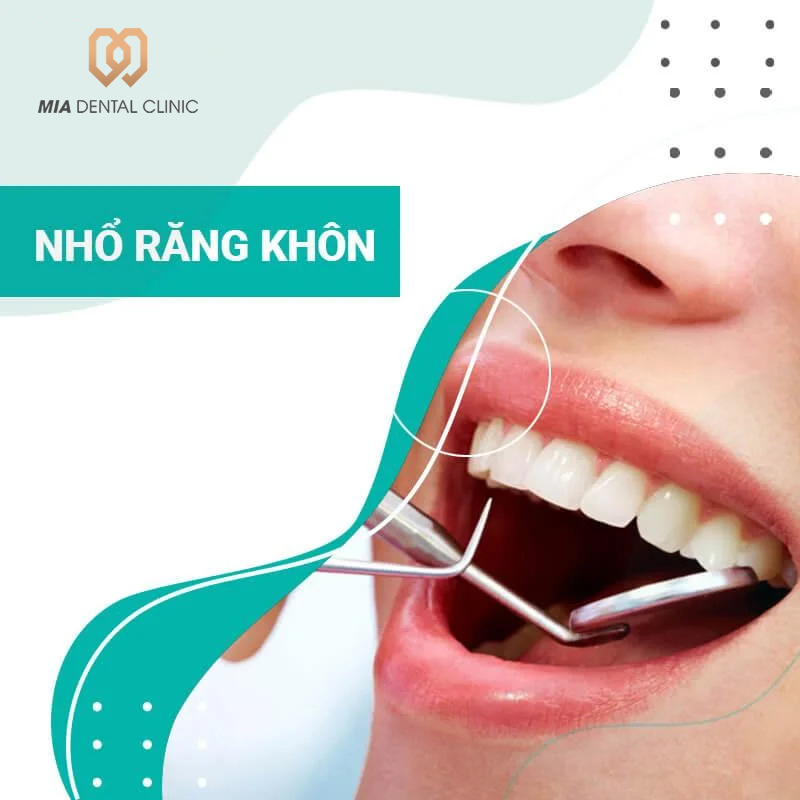
When should and shouldn’t wisdom teeth be extracted?
2.1. When should wisdom teeth be extracted?
The vast majority of patients only choose to have their wisdom teeth extracted when they experience pain. However, wisdom tooth extraction isn’t just for painful cases; you may need to have your wisdom teeth extracted even if you don’t experience any pain or symptoms. Below are some situations where wisdom tooth extraction is recommended.
- wisdom teeth have no chewing function and are therefore “superfluous,” so they can be extracted without causing any problems.
- Wisdom teeth are located deep inside the jaw, making them difficult to clean and creating a breeding ground for bacteria, which can lead to cavities.
- When wisdom teeth erupt incorrectly, they push against the adjacent teeth, causing the entire set of teeth to become compressed and misaligned.
- Impacted wisdom teeth can damage the roots of tooth number 7, causing infection and leading to the loss of the adjacent tooth.
- When a wisdom tooth erupts straight and is covered by gum tissue, it can cause an abscess, swelling, pain, and fever each time the tooth erupts.
- Wisdom teeth may be extracted if they have periodontal disease, cavities, or if the patient needs orthodontic treatment or dental implants.
2.2. Cases where wisdom tooth extraction is not recommended.
Wisdom teeth are generally recommended to be extracted; however, extraction is not necessary in all cases. Some situations may not require this dental procedure. Specifically:
- Healthy teeth, growing in the correct position and fitting properly with the opposing teeth.
- For individuals with acute inflammatory conditions such as gingivitis, periodontitis, sinusitis, etc., wisdom tooth extraction during this period may increase the risk of infection. In these cases, it is necessary to treat the underlying conditions first before performing the extraction to ensure safety.
- People with cardiovascular diseases or certain neurological conditions should not have their wisdom teeth extracted because it can cause stress and anxiety, putting the patient at risk.
- Pregnant women: When wisdom teeth are extracted, local anesthesia and painkillers are used, which can affect the health of the fetus.
- Women during menstruation: Women’s bodies experience hormonal changes during menstruation, so extracting wisdom teeth during this time may reduce blood clotting ability, increasing the risk of bleeding after extraction.
- Patients with white blood cell disorders who have teeth extracted are more likely to experience bleeding and infection, which are difficult to treat and can even be fatal.
- Patients who have previously undergone maxillofacial X-ray treatment should also avoid having their wisdom teeth extracted, because extraction during X-ray treatment can cause bone necrosis in the jaw.

| QUICK TEST FOR YOUR WISDOM TOOTH STATUS (Confidentiality guaranteed, the system automatically sends you a FREE treatment plan via SMS) |
| Which of the following conditions are you experiencing? Toothache, Toothache, Loose Teeth, Tooth Decay, Periodontitis. Location of the affected tooth: Upper Right molar, Upper Left molar, Lower Right molar, Lower Left molar. The test results will be sent to you in 15 minutes. If you don’t want to wait, please contact us directly via Hotline 032.688.8680 |
Procedure for wisdom tooth (tooth number 8) extraction
Many people mistakenly believe that wisdom tooth extraction is as simple as extracting a baby tooth and can be done at home. However, this is completely wrong, because wisdom tooth extraction is a dental procedure that needs to be performed by qualified dentists. You should not do it at home because it can cause many dangerous complications due to improper procedures and lack of proper equipment.
For wisdom tooth extraction, the specialist will follow these steps:
- Step 1: Examination and X-ray: The dentist will conduct a general examination of the oral condition and take dental X-rays to accurately assess the position, shape, and direction of the wisdom tooth’s growth. Based on the examination results, the dentist will advise on the most suitable tooth extraction method for the patient.
- Step 2: Dental hygiene: The dentist will thoroughly clean the mouth with mouthwash and specialized antiseptic solutions to remove bacteria and ensure safety during the tooth extraction process.
- Step 3: Anesthetizing for tooth extraction: The dentist uses local anesthesia to numb the area around the tooth to be extracted.
- Step 4: Tooth extraction: Depending on the position, shape, and direction of the wisdom tooth’s growth, the dentist will use specialized dental instruments to extract it.
- Step 5: Control bleeding and schedule a follow-up appointment: After tooth extraction, the dentist will perform hemostasis, prescribe pain medication (if needed), provide instructions on oral care, and schedule a follow-up appointment to check the wound’s healing progress.
4.2 Current methods of wisdom tooth extraction
Currently, dental clinics typically offer two methods of tooth extraction: traditional extraction and painless Piezotome extraction. Each method has its own advantages and disadvantages, suitable for different patient needs. Details:
| Criteria | Traditional wisdom tooth extraction | Painless wisdom tooth extraction with Piezotome | Wisdom tooth extraction with platelet-rich plasma (PRF) |
| How to do it | The dentist uses a scalpel to make an incision in the gum, then uses specialized instruments such as forceps and levers to remove the wisdom tooth. | Using Piezotome ultrasonic technology, an ultra-thin drill bit acts on the tooth and surrounding gum tissue to easily remove wisdom teeth. | Before the procedure, the doctor will take a small amount of blood from the patient’s body, then put the blood into a centrifuge to extract platelet-rich plasma (PRF). After tooth extraction, PRF is placed in the tooth socket to stimulate the healing process. |
| Advantage | Low cost | Minimally invasive, affecting only hard tissue and not damaging soft tissue. The tooth extraction process is gentle, minimizing pain for the patient. Safe, without complications, and does not affect the surrounding nerves and blood vessels. Quick extraction time, only about 15-30 minutes for the entire process. Fast recovery, minimal pain and complications. Reduced numbness in the lips and cheeks because the nervous system is not damaged. Precise positioning of the tooth to be extracted and shaping of the jawbone structure. | Faster hemostasis, reduced swelling and pain after extraction. Rapid tissue regeneration. Limits infection, socket dryness, and alveolar bone loss after extraction. |
| Disadvantages | The procedure takes approximately 20-40 minutes. It carries high risks, including significant bleeding, difficulty controlling bleeding, persistent pain, and a high risk of infection if not handled skillfully. It can also cause damage to the jawbone structure and affect the blood vessel and nerve systems. | High cost. Contraindications: Should not be applied to patients using pacemakers. | The procedure is expensive and not all dental clinics can perform it. |
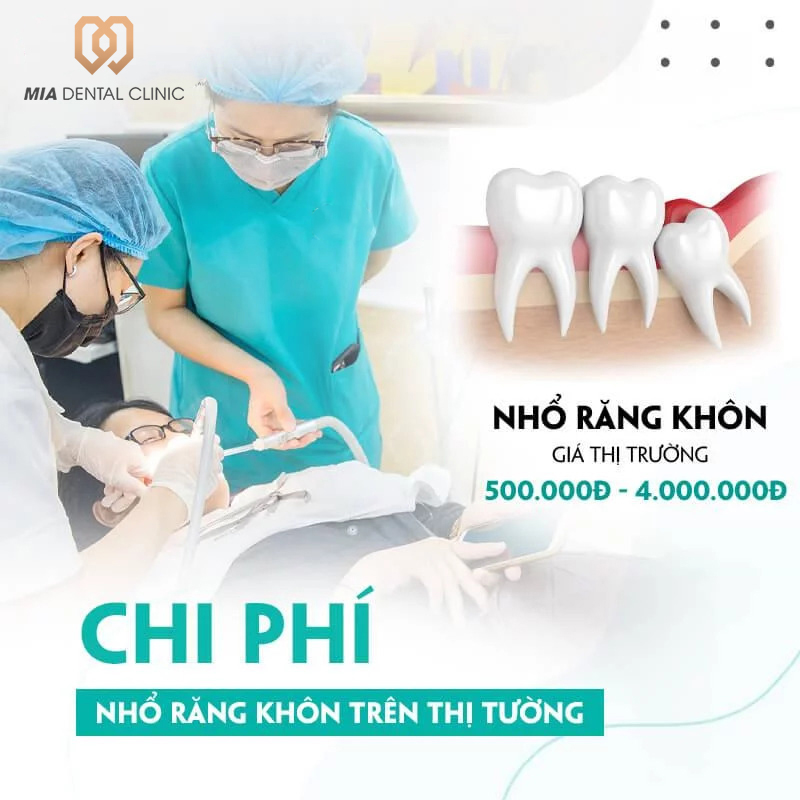
Cost of wisdom tooth (tooth number 8) extraction
Some people delay wisdom tooth extraction due to concerns about high costs. In reality, the cost of wisdom tooth extraction is not fixed but varies depending on factors such as: the condition of the wisdom tooth, its position (upper or lower jaw), the extraction technique used, the dentist, and the dental clinic performing the procedure, etc.
- Upper wisdom tooth extraction: Price ranges from 1,500,000 to 3,000,000 VND per tooth.
- Lower wisdom tooth extraction: From 2,000,000 VND – 5,000,000 VND/tooth
Below is a price list for wisdom tooth extraction (lower and upper) at MIA Dental Clinic – one of the reputable dental clinics with a team of experienced and highly skilled doctors:
| Service | Listed price (VNĐ) |
| Tooth extraction using an ultrasonic device. | 500,000 VND/Tooth |
| Tooth extraction using platelet-rich plasma (PRP). | 500,000 VND/Tooth |
| Extraction of upper wisdom teeth | |
| Grow straight | 1.500.000 VNĐ/Tooth |
| Misaligned growth | 2.000.000 VNĐ/Tooth |
| Underground growth | 3.000.000 VNĐ/Tooth |
| Extraction of lower wisdom teeth | |
| Grow straight | 2.000.000 VNĐ/Tooth |
| Misaligned growth 45 | 2.500.000 VNĐ/Tooth |
| 90-degree misalignment | 3.000.000 VNĐ/Tooth |
| Impacted growth | 4.000.000 VNĐ/Tooth |
| Extraction of impacted teeth | 5.000.000 VNĐ/Tooth |
Other costs include:
- X-ray: Depending on the dental clinic, the price ranges from 150,000 to 400,000 VND per X-ray. At MIA Dental Clinic, this service is free.
- Post-extraction medication: Such as pain relievers, anti-inflammatory drugs, mouthwash, etc. Depending on the dental clinic, they may sell these directly, or you may receive a prescription to buy them yourself at a pharmacy.
Customers can contact MIA Dental Clinic via Hotline 032.688.8680 for detailed advice on wisdom tooth extraction services, pricing, and current promotions.
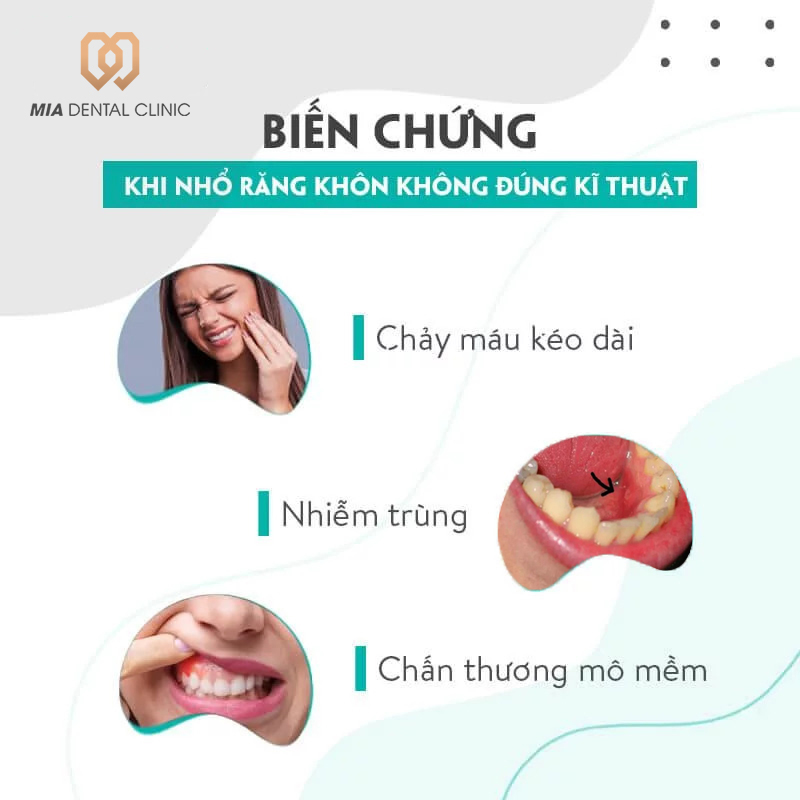
Several complications can occur when wisdom teeth are extracted at low-quality dental clinics.
Many people believe that extracting wisdom teeth – the “superfluous” teeth – will not cause any complications. However, wisdom tooth extraction is a minor dental procedure, and if not properly cared for or if the extraction process is not safe and sterile, it can still pose many risks and dangerous complications. Below are some dangerous complications that can occur when extracting wisdom teeth:
- Tooth socket inflammation and infection: If the open wound at the extraction site of a wisdom tooth is not properly cared for, it can create favorable conditions for bacteria to enter and grow, leading to infection. If you experience symptoms such as pain, swelling, redness at the extraction site, and possibly a prolonged fever, you should contact your doctor immediately.
- Blood infection: This complication mainly occurs due to unsanitary tooth extraction instruments, or the dentist performing the procedure incompetently, damaging blood vessels and leading to infection.
- Nerve damage: In some cases, improper tooth extraction techniques by dentists can affect the nerves surrounding the tooth, leading to symptoms such as numbness or tingling in the lips, tongue, and chin.
Therefore, the risk of complications when having wisdom teeth extracted still exists, especially if you choose low-quality dental clinics. When having wisdom teeth extracted, you should research carefully and choose a reputable dental clinic to ensure safety and avoid the risk of complications. In addition, you need to follow your doctor’s instructions regarding oral care and hygiene to recover faster after the extraction.
Things to note before and after wisdom tooth (tooth number 8) extraction
To ensure a safe wisdom tooth extraction with minimal complications, you should keep the following points in mind:
7.1. Before wisdom tooth extraction
- Find a reputable dental clinic for tooth extraction: You should choose a reputable dental clinic for wisdom tooth extraction, as this is a minor dental procedure that carries potential risks if not performed according to medical standards. You can consult friends, relatives, or search for information online to choose a dental clinic with a team of highly skilled and experienced doctors and modern equipment.
- Oral hygiene: Thorough oral hygiene is necessary before tooth extraction, including brushing and rinsing with saline solution. Good oral hygiene helps minimize the risk of infection during the extraction process.
- Inform your doctor about your health condition: You need to inform your doctor about your health condition, especially if you have a history of medical conditions such as cardiovascular disease, high blood pressure, diabetes, or drug allergies, so that the doctor can develop an appropriate treatment plan and ensure safety during the tooth extraction process.

7.2. After wisdom tooth extraction
- Limit jaw movements and talking as these can aggravate the wound, causing pain and bleeding.
- Avoid touching the wound with your hands, tongue, or any objects, as this can cause infection by external bacteria.
- You should apply a cold compress to the cheek where the tooth was extracted, for 15-20 minutes at a time, several times a day. This can help reduce swelling and pain after a tooth extraction.
- Rinsing your mouth with warm saline solution after each meal and before bed will help disinfect and clean the oral cavity, preventing infection.
- Avoid brushing directly on the extraction site for the first 24 hours after wisdom tooth extraction. After 24 hours, you can brush gently with a soft-bristled toothbrush, but avoid brushing too hard.
- Avoid strenuous activity for two days after tooth extraction, as increased physical activity can lead to bleeding and hinder the healing process.
- You should eat soft, easy-to-swallow foods with a mild, refreshing taste, such as porridge, soup, and yogurt. Avoid hard, spicy, greasy, or highly acidic foods, as these can irritate the wound.
- Contact your doctor immediately if you notice any unusual symptoms such as high fever, heavy bleeding, severe pain, or prolonged swelling so that you can receive timely examination and treatment.
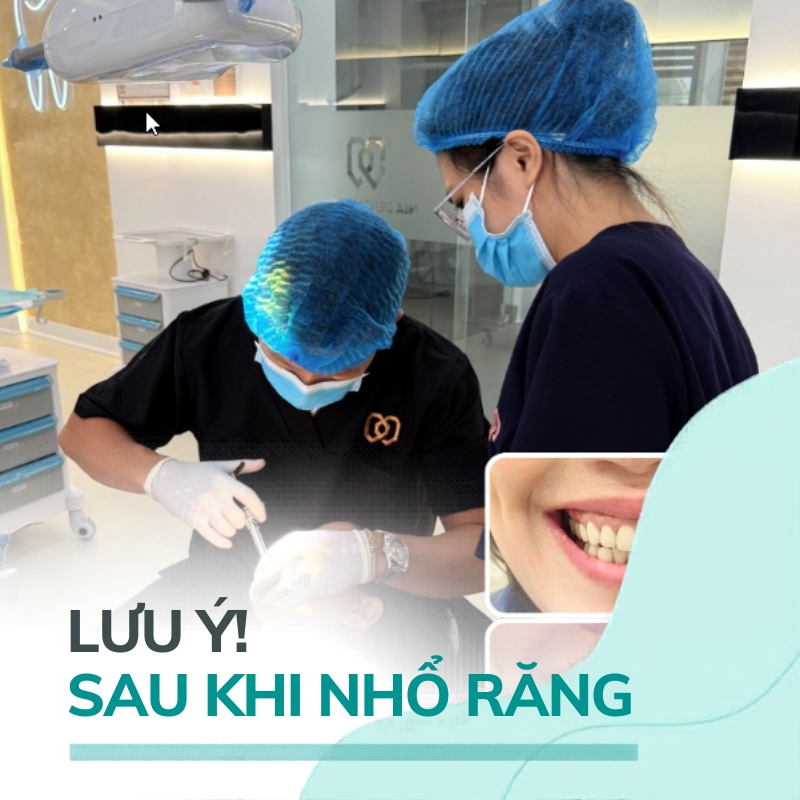
Reputable and safe wisdom tooth extraction clinics.
Choosing a reputable dental clinic is crucial to ensuring safe wisdom tooth extraction and minimizing complications. If you’re wondering where to go for wisdom tooth extraction, MIA Dental Clinic is an ideal option.
With a 15-year journey of building and developing under the motto “Bringing healthy and confident smiles to all Vietnamese people,” MIA Dental Clinic is proud to accompany all customers in comprehensive oral health care.
MIA Dental Clinic inspires confidence and peace of mind in its customers thanks to its team of highly skilled and experienced dentists. These dentists will directly examine and safely extract wisdom teeth with the support of modern equipment and technology.
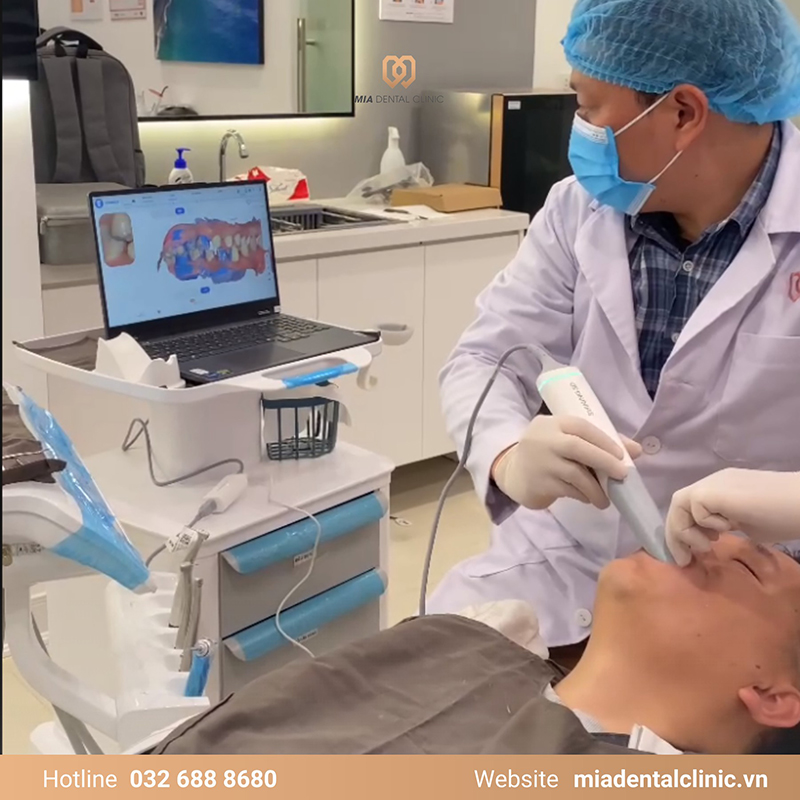
Currently, MIA Dental Clinic is applying the advanced and popular Piezotome ultrasonic wisdom tooth extraction method. The advantages of wisdom tooth extraction using the Piezotome ultrasonic device are:
- Using advanced ultrasound technology to open the gums, cut and shape the bone framework, and lift the maxillary sinus without invasively damaging the soft tissue.
- The wisdom tooth extraction process is painless.
- The wound heals quickly after the extraction and does not swell.
- Reduce tooth extraction time to only about 10-15 minutes.
- Wisdom tooth extraction is safe and does not cause any complications.
Regarding the price of wisdom tooth extraction, MIA Dental Clinic publicly and transparently lists its prices so that customers have detailed information. In addition to the basic cost, MIA Dental Clinic also offers many attractive promotions for wisdom tooth extraction services. If you are experiencing problems with your wisdom teeth, please contact MIA Dental Clinic immediately at 032.688.8680 for examination and safe wisdom tooth extraction at a “super affordable” price.